In today's globalized economy, efficient shipping practices are paramount, and one of the key elements to consider is Container Transport. As businesses increasingly rely on containerized shipping to move goods across international borders, optimizing this process has never been more critical. The use of containers not only protects cargo during transit but also maximizes space utilization and streamlines logistics. However, to fully harness the benefits of Container Transport, companies must adopt effective strategies that enhance shipping efficiency.
This article presents the Best 10 Container Transport Tips to Elevate Your Shipping Efficiency. From meticulous planning and proper documentation to smart technology integration and understanding port operations, these tips will guide businesses in minimizing delays and reducing costs. By implementing these strategies, organizations can improve their overall supply chain performance and ensure timely delivery of goods. Whether you are a seasoned logistics professional or a newcomer to the shipping industry, these insights will empower you to navigate the complexities of Container Transport with confidence and proficiency.

Choosing the right container size for shipping is crucial in optimizing your logistics operation. One of the first steps is to assess the nature and volume of the goods you plan to transport. Understanding the dimensions and weight of your cargo enables you to select a container that maximizes space utilization, reduces costs, and minimizes the risk of damage during transit. For instance, opting for a larger container than necessary can lead to wasted space, while a smaller one might not accommodate all items securely.
Moreover, consider the type of goods being shipped. Fragile items may require specialized containers that offer better protection, whereas bulk shipments may benefit from open-top or flat-rack containers. When selecting a container size, also factor in the destination and transport mode, as these can influence the best container choice.
By adhering to these best practices, you can enhance shipping efficiency and ensure that your cargo arrives in optimal condition, ultimately improving overall supply chain performance.
Route optimization plays a crucial role in container transport, significantly influencing shipping efficiency and cost-effectiveness. By carefully planning the routes that containers take, transporters can minimize travel times, reduce fuel consumption, and avoid delays caused by traffic congestion or weather conditions. This proactive approach ensures that cargo reaches its destination in a timely manner, enhancing customer satisfaction and reliability in logistics operations.
Furthermore, effective route optimization allows businesses to fully utilize their resources. By analyzing data on traffic patterns, port congestion, and container availability, companies can make informed decisions that lead to more streamlined operations. This not only lowers operational costs but also enables companies to allocate their fleet more efficiently. In a highly competitive market, optimizing shipping routes is no longer just an option; it is a necessity for organizations aiming to stay ahead and improve their overall performance in container transport.
This bar chart illustrates the impact of various container transport tips on shipping efficiency. Each tip is evaluated based on its effectiveness in enhancing overall operational performance.
Effective inventory management is crucial in reducing shipping delays and enhancing overall shipping efficiency. According to a study by the Council of Supply Chain Management Professionals (CSCMP), nearly 20% of companies report that inefficient inventory management is a leading cause of shipping delays. This inefficiency can create bottlenecks in the supply chain, often resulting in unhappy customers and increased costs.
To tackle this issue, businesses can implement strategies such as real-time inventory tracking and forecasting tools. Data from a report by McKinsey & Company indicates that companies utilizing advanced analytics for inventory management can reduce stock-outs by up to 30%. By aligning inventory levels with actual demand patterns, companies can minimize overstock situations and limit the risk of lost sales due to product unavailability.
Additionally, employing just-in-time inventory practices can further streamline shipping processes. The Institute for Supply Management (ISM) highlights that organizations adopting this methodology often see a 15% increase in inventory turnover rates. This practice not only reduces excess cargo but also ensures that necessary goods are readily available when needed, ultimately translating to quicker shipping times and enhanced customer satisfaction.
| Tip Number | Transport Tip | Expected Efficiency Gain (%) | Potential Challenges |
|---|---|---|---|
| 1 | Use Real-time Tracking Systems | 20% | Dependence on technology |
| 2 | Optimize Loading and Unloading Processes | 15% | Balancing efficiency with safety |
| 3 | Implement Automated Inventory Management | 30% | Initial setup costs |
| 4 | Train Staff Regularly on Best Practices | 10% | Time commitment for training |
| 5 | Standardize Packaging and Palletizing | 25% | Overhauling existing processes |
| 6 | Use Predictive Analytics for Demand Forecasting | 18% | Data quality and interpretation |
| 7 | Establish Strong Relationships with Carriers | 22% | Negotiating terms |
| 8 | Review and Adjust Shipping Routes Regularly | 27% | Data analysis required |
| 9 | Implement Just-in-Time Inventory | 20% | Risk of stockouts |
| 10 | Regularly Audit Shipping Performance | 15% | Identifying correct metrics |
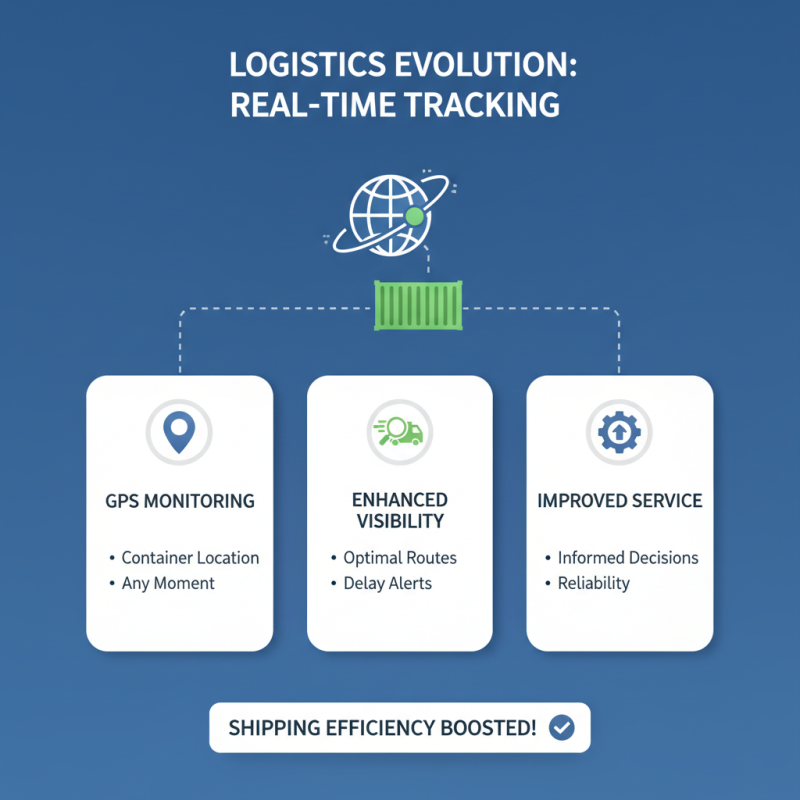
In the rapidly evolving landscape of logistics, utilizing technology for real-time tracking is essential for enhancing shipping efficiency. By implementing GPS tracking systems, companies can monitor the location of their containers at any given moment. This level of visibility not only helps in planning the optimal routes but also allows for timely notifications about potential delays. As a result, businesses can make informed decisions and improve their overall service reliability.
Moreover, integrating advanced software solutions such as Transportation Management Systems (TMS) can streamline operations significantly. These platforms offer features like automated scheduling, route optimization, and inventory management, which all contribute to fluid logistics processes. With real-time data analysis, companies can quickly adapt to changing circumstances, minimizing disruptions and ensuring smooth delivery. By harnessing such technologies, organizations can enhance operational efficiency and ultimately provide better service to their customers.
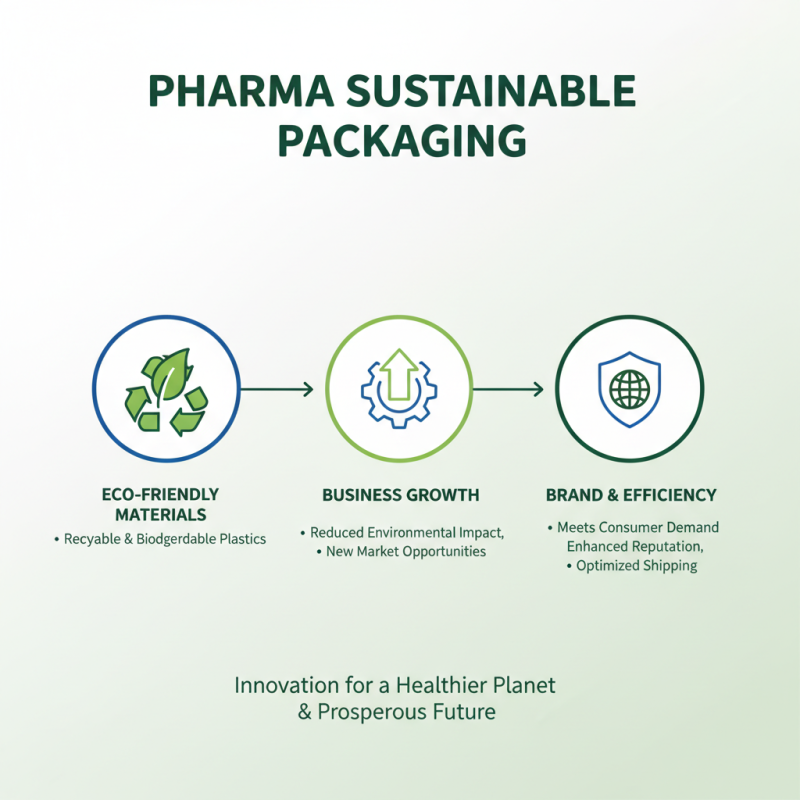
The increasing focus on sustainability is driving pharmaceutical companies to adopt eco-friendly packaging solutions. Utilizing recyclable and biodegradable plastics not only helps in reducing environmental impact but also presents significant growth opportunities for businesses. By integrating sustainable packaging methods, companies can meet consumer demand for environmentally responsible products, ultimately enhancing their brand reputation while optimizing shipping efficiency.
Biodegradable plastics offer the advantage of decomposing within three to six months, compared to traditional plastics that take centuries to break down. This quick decomposition cycle allows pharmaceutical companies to minimize their carbon footprint, thus aligning with global sustainability goals. Moreover, by maximizing container space through innovative packaging designs, businesses can improve shipping efficiency, reduce transportation costs, and contribute to a more sustainable supply chain. Embracing these packaging techniques is essential for companies aiming to thrive in an increasingly eco-conscious market.