Cross-Border Rail Transport is revolutionizing global trade. It provides a unique bridge between countries, enhancing connectivity and efficiency. Businesses increasingly rely on rail for moving goods across borders. This transport method reduces transit time and lowers costs.
One key advantage is sustainability. Rail transport emits less greenhouse gas compared to road transport. This shift is necessary as climate change concerns grow. However, there are challenges to consider. Infrastructure may need upgrades in some regions. Inadequate facilities can slow down operations. Companies must address these issues for Cross-Border Rail Transport to flourish.
Cross-Border Rail Transport also fosters economic growth. It opens new markets and creates job opportunities. However, not every region benefits equally. Some areas may lag behind in infrastructure and investment. These disparities need attention to ensure balanced progress in global trade. It’s clear that while opportunities exist, challenges remain; reflection and action are essential.
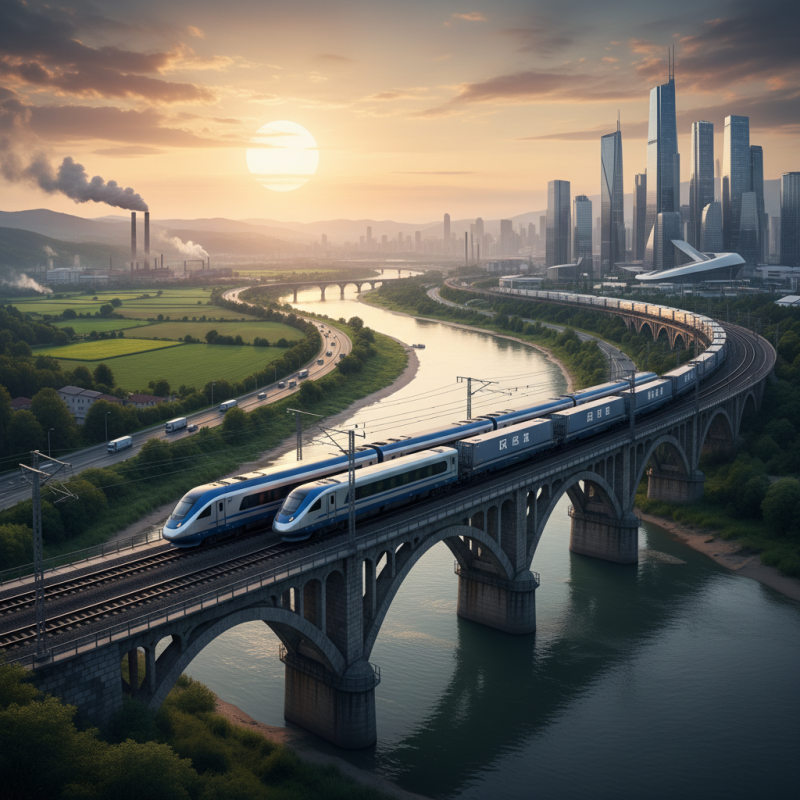
Cross-border rail transport plays a vital role in enhancing global trade. Improved connectivity through railways facilitates smoother movement of goods between countries. With faster transit times, businesses can respond quickly to market demands. This speeds up deliveries and reduces waiting times.
Investing in railway infrastructure can be costly. However, the long-term benefits often outweigh the initial investments. Rail networks create direct links, reducing reliance on road transport. This can lead to lower carbon emissions. Moreover, rail transport can accommodate large volumes. This is crucial for businesses dealing with bulk goods.
Tips: Regular maintenance of railways is important. Neglect can lead to delays and accidents. Collaboration between countries is essential. Each nation must ensure proper regulations and standards. This enhances safety and efficiency. Sharing resources and technology can also drive improvements. By focusing on connectivity, nations can unlock new trade opportunities.
This chart illustrates the key benefits of cross-border rail transport, highlighting the advantages it brings to global trade. Enhanced connectivity through rail transports supports economic growth, reduces transportation costs, and improves supply chain efficiency.
Cross-border rail transport plays a crucial role in boosting global trade. It significantly reduces transit times, which is vital for businesses seeking efficiency. Trains can cross vast distances much faster than trucks in many regions. This speed means goods arrive quicker, satisfying consumer demands. Often, products are fresh or in perfect condition upon delivery, which enhances market competitiveness.
However, challenges exist. Rail infrastructure investments can be costly and complex. Not all regions have equal access to modern rail systems. Inadequate links can lead to delays. Moreover, the logistics involved in transferring goods from rail to road can create potential bottlenecks. Yet, with proper planning and cooperation among nations, these hurdles can be overcome.
Increased delivery efficiency also relies on reliable scheduling. Trains can operate on fixed timetables, allowing businesses to plan better. Predictable transit times enhance inventory management. Companies can reduce stock levels and serve customers faster. Despite these benefits, companies must still prepare for the unexpected. Weather and operational issues can impact schedules, requiring flexibility in operations.
| Benefit | Description | Impact on Trade | Example of Improvement |
|---|---|---|---|
| Faster Transit Times | Reduced travel time due to direct routes. | Enhances supply chain responsiveness. | Transit times cut by 30%. |
| Increased Capacity | More goods can be transported at once. | Allows economies of scale. | Up to 50% more cargo per journey. |
| Cost Efficiency | Lower transportation costs compared to air and road. | Reduces overall product costs. | Savings of 20-30% on logistics. |
| Environmental Benefits | Lower carbon footprint than road transport. | Promotes sustainability in logistics. | Estimates show 75% less emissions. |
| Enhanced Safety | Lower risk of accidents compared to road transport. | Improves reliability of deliveries. | Incident rates drop by 40%. |
| Improved Connectivity | Links remote areas to major trade hubs. | Facilitates market access. | New routes created to underserved regions. |
| Reliability | Trains adhere to strict schedules. | Increases planning and forecasting accuracy. | Delivery timeliness improved by 20%. |
| Scalability | Easily adjust volumes as demand changes. | Supports business growth. | Flexibility to increase loads as needed. |
| Ability to Transport Diverse Cargo | Can handle a variety of goods, including hazardous materials. | Broadens product reach. | Specialized cars for sensitive cargo. |
| Integration with Other Modalities | Seamless transition to trucks and ships. | Enhances total logistics efficiency. | Streamlined multi-modal transport options. |
Cross border rail transport offers significant cost savings for businesses. This is largely due to economies of scale. When companies shift their goods via rail, they can move larger quantities at lower costs. This efficiency reduces the expense per unit. Consequently, businesses can allocate resources to other areas, like product development.
Another aspect worth noting is the environmental impact. Rail transport typically emits less carbon than trucks. This means lower fuel costs and healthier surroundings. However, some companies overlook this benefit. They may focus solely on short-term savings rather than long-term gains. Evaluating the entire value chain is essential.
While cross border rail has many advantages, it’s not without challenges. Infrastructure limitations can slow down shipment times. In some regions, rail networks are not fully developed. Businesses must weigh these factors carefully. Sometimes, the most cost-effective solutions are not immediately obvious.
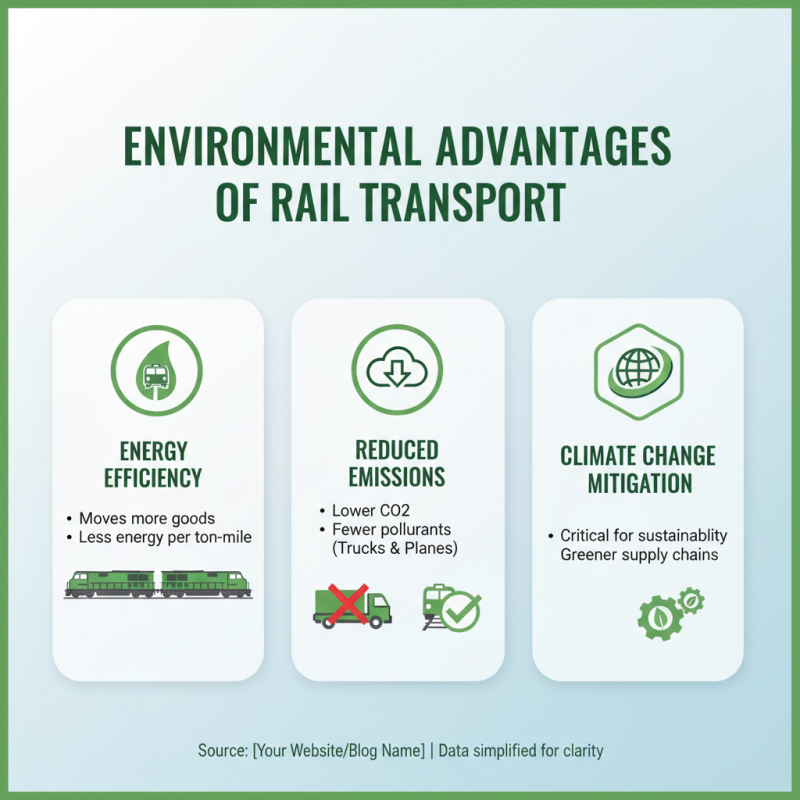
Rail transport offers significant environmental advantages compared to other modes. Trains are energy-efficient. They can move large quantities of goods with less energy per ton-mile. This efficiency is critical in reducing greenhouse gas emissions. Unlike trucks or planes, trains emit lower levels of carbon dioxide and pollutants.
The impact of rail is particularly evident in cross-border transport. Rail networks connect different regions seamlessly. They help in lowering traffic congestion on roads, leading to fewer emissions from idling vehicles. Consider using rail for shipments that need to cover long distances. It not only cuts down the energy cost but also improves air quality.
Tips for optimizing rail transport include planning routes effectively. Avoiding congested areas can save time and fuel. Additionally, ensure that loads are maximized. Empty containers contribute to unnecessary emissions. Take advantage of intermodal facilities to combine rail with other transport forms. This approach can enhance efficiency while being mindful of the environment. When choosing transport modes, rail should be at the top of your list for its green benefits.
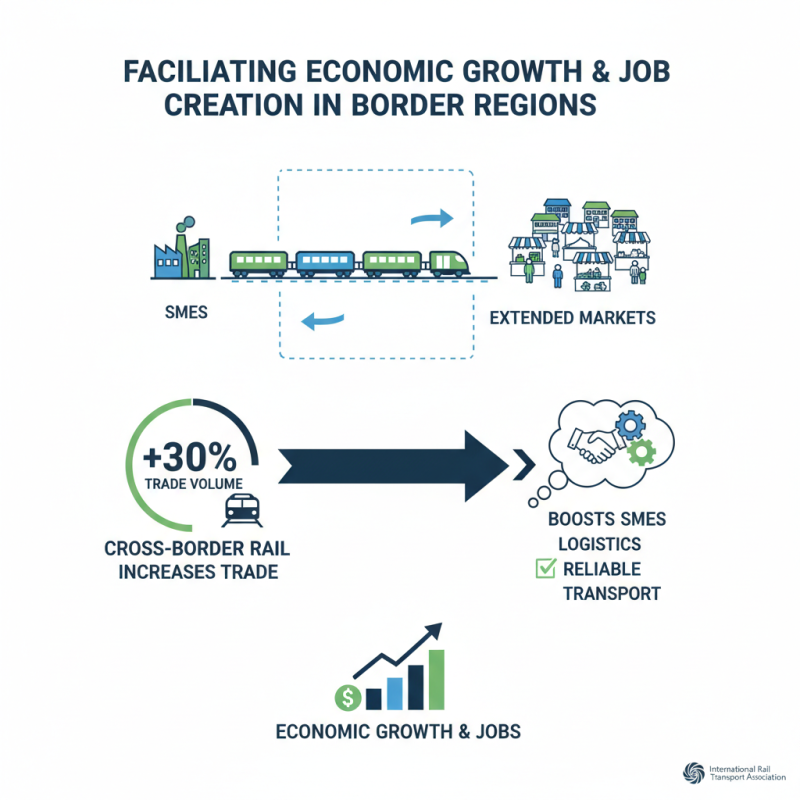
Cross-border rail transport significantly boosts economic growth in border regions. According to a report by the International Rail Transport Association, rail networks can increase trade volume by over 30% in connected areas. This uplift is especially crucial for small and medium-sized enterprises (SMEs) that thrive on access to extended markets. These businesses often struggle with logistics, and rail provides a reliable option.
Job creation is another vital aspect. Studies show that increased rail connectivity can create up to 20,000 jobs in a region within five years. Positions range from train operators to logistics managers. However, not all regions experience this boon equally. Some areas may lack the infrastructure to support growth. The need for investment and planning is crucial. Without it, potential job opportunities might slip away.
Environmental benefits also play a role. Rail transport is more sustainable than road transport. However, there are challenges in maintaining rail infrastructure. Funding and maintenance often fall short in underdeveloped areas. If these issues are not addressed, the positive impact on economic growth may dwindle. Investing in reliable rail systems must be a priority for fostering robust economic development.